

Without that first cup of coffee, the day somehow feels incomplete. You know what I mean?
That caffeine kick isn’t just a habit; it’s a ritual, a way to anchor yourself before stepping into the unpredictable rhythm of the outdoors.
But how can you craft a satisfying cup of coffee in the wild without the comforts of your kitchen?
Choosing the Right Coffee Gear
You might think the gear doesn’t matter, but honestly, it does. Not because you need a high-tech espresso machine (let’s be real, you don’t), but because certain tools make the difference between a cup that jolts your senses awake and one that feels like muddy water. A lightweight French press, for example, is a game-changer. It’s simple, requires minimal cleanup, and lets you extract rich flavors even over a small portable stove.
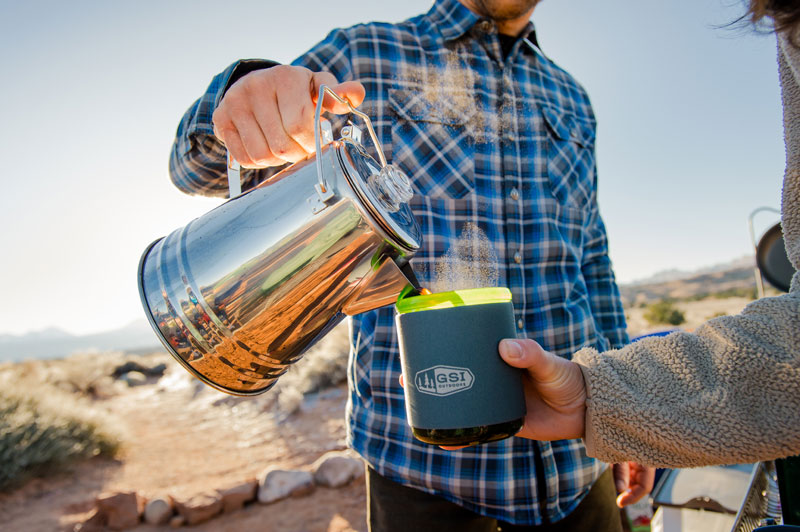
Don’t discount the humble camping percolator either. It’s old-school, yes, but it’s sturdy, forgiving, and perfect when you’re brewing over a flame that refuses to behave. One tip here: metal percolators retain heat differently than glass or plastic gear, so you might need to adjust steep times slightly to avoid bitterness.
Selecting Coffee That Survives the Journey
Here’s the thing about coffee beans: freshness matters, more than most people realize. You don’t want pre-ground coffee that’s been languishing in a plastic bag in a dusty cabinet. Whole beans, roasted within the last few weeks, make a world of difference.
Light roasts hold up well in cooler morning temps, giving you brighter, more complex notes, while darker roasts bring that smoky, campfire-appropriate depth. And if you’re wondering about instant coffee, let me just say it has its moments. It’s convenient, undeniably portable, and it’s saved many a hiker from a caffeine-deprived meltdown.
Mastering Water and Heat
Water. Simple word, huge impact. If your water tastes off, your coffee tastes off. You might be tempted to grab water from a nearby stream—and while that’s doable, filtration is key. A few minutes through a portable filter or a quick boil eliminates surprises (and bacteria you definitely don’t want in your morning cup).
Heat control is where things get tricky. Campfires are charming but notoriously inconsistent. Flames dance, logs shift, and suddenly your water is either simmering or scalding. A small portable stove or backpacking burner brings predictability. Here’s a pro tip: aim for just under boiling, around 195–205°F (90–96°C). Too hot, and you risk burning the coffee; too cool, and extraction is weak.
Managing Energy
You can carry portable stoves and campfires, but some gadgets—like electric grinders or immersion heaters—still demand a reliable power source. It’s tempting to think you can “rough it” completely, but honestly, modern outdoor gear has evolved. Lightweight, efficient energy solutions can give you the freedom to grind beans or heat water without relying on wood alone.
Tips for Flavor and Texture
Water-to-coffee ratio is deceptively simple but critical. Too much water dilutes, too little overwhelms. Roughly speaking, a ratio of one to two tablespoons per six ounces works well in most setups. Stir gently to ensure even extraction, but avoid over-agitating the grounds—they can release bitter compounds.
Don’t overlook grind size. It’s one of those subtle adjustments that separates a “meh” cup from one that makes you close your eyes and savor. Coarse for French press, medium for drip, fine for AeroPress or espresso-style gadgets. And if you can, adjust for elevation. Water boils at lower temperatures higher up, which can under-extract your coffee. A slightly finer grind or longer steep time can compensate beautifully.
Conclusion
Ultimately, making coffee while camping is about intention. You don’t need the fanciest gear, but having the right tools—whether it’s a trusty French press, AeroPress, or a simple pour-over—and thinking a little about energy and preparation makes the experience richer.
And for those who want reliable power in the backcountry, tools like ALLPOWERS portable power stations quietly ensure your morning brew—and countless other outdoor conveniences—never misses a beat.
