

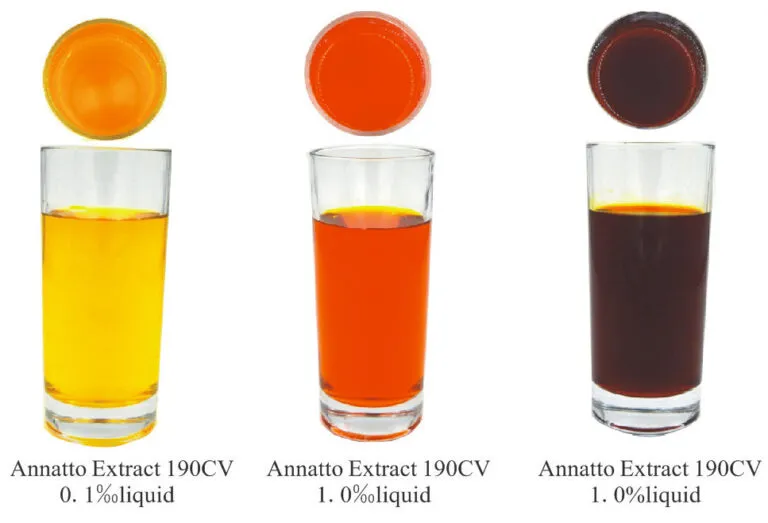
Packaged food manufacturers now review ingredient transparency more carefully before introducing products into highly competitive retail markets worldwide. Consumers regularly compare labels while purchasing snacks, dairy products, beverages, and confectionery items from crowded supermarket shelves every single day. Because of changing preferences, annatto food color became increasingly common across commercial food processing applications needing warm orange and yellow visual tones naturally. Different forms of natural food coloring also support cleaner product positioning without depending entirely on older synthetic ingredient systems anymore.
Dairy Processing Facilities Need Consistent Color Performance
Cheese products, butter spreads, processed sauces, and flavored dairy snacks usually require a stable visual appearance during long manufacturing and storage periods later. Temperature exposure and ingredient interactions sometimes affect color consistency depending on recipe structure and packaging systems used commercially. A carefully chosen annatto food coloring aspect generally plays extra well when manufacturers test compatibility under real production environments before formally starting the retail rollout. Many natural food coloring suppliers additionally provide legal support that helps milk brands maintain greater form consistency in refrigerated distribution operations internationally these days.
Beverage Applications Require Careful Stability Evaluation Methods
Liquid products present unique technical challenges due to acidity levels and storage temperatures that affect the overall performance of the component throughout the transportation and retail exposure period for some time. Certain herbal components consistently lose their visual acuity when exposed daily throughout the worldwide beverage supply chain in direct light or risky garage conditions. A well-prepared annatto food color response generally helps in more robust consistency, while beverage companies perform consistency testing before commercial production increases begin to formally evolve. Different natural food coloring applications also support flavored drinks, nutritional beverages, syrups, and fruit-based product categories sold worldwide.
Processing Systems Influence Ingredient Behavior Significantly
Industrial food production has many production stages with some time to adjust factor performance to suit temperature promotion, moisture levels and mixing strategy Some food groups require targeted formulation, while others today desire brighter sunshades to aid in even visibility throughout production and the package world. Reliable annatto food color applications often depend heavily on recipe composition and processing conditions selected by manufacturers internationally now. Many natural food coloring solutions also support confectionery products, baked goods, savory snacks, and frozen dessert manufacturing systems commercially.
Cleaner Ingredient Labels Keep Influencing Product Development
Modern consumers notice recognizable ingredients faster because transparency now affects purchasing decisions across several packaged food categories internationally today. Products containing plant-derived ingredients often receive stronger attention compared with heavily artificial-looking alternatives displayed nearby inside supermarkets regularly. Commercial annatto food color ingredients help manufacturers create appealing orange shades while supporting cleaner ingredient positioning across competitive food markets worldwide. Different natural food coloring formulations additionally support product innovation within premium snacks, bakery fillings, dairy products, and processed beverage categories sold internationally now.
Conclusion
Natural ingredient demand continues shaping food manufacturing strategies across several commercial packaged product industries globally today. Many product developers now explore foodrgb.com for practical ingredient information and commercial color formulation insights supporting production requirements. Selecting suitable annatto food color solutions often helps manufacturers improve visual appeal while supporting cleaner ingredient positioning throughout competitive retail environments successfully. Reliable natural food coloring applications also support stronger consistency across dairy processing, beverage manufacturing, confectionery production, and packaged snack operations internationally. Businesses planning future product development should review ingredient stability, supplier quality standards, and technical assistance carefully before establishing long-term sourcing partnerships.
