

Cyprus has long stood at the crossroads of civilizations. Positioned in the eastern Mediterranean, the island has been shaped by waves of conquerors, traders, settlers, and empires. Each left behind not only architectural traces and political legacies, but also culinary fingerprints. To understand Cyprus cuisine across the centuries is to trace the island’s history through its kitchens, markets, and communal tables.
Food in Cyprus has never been static. It has evolved gradually, absorbing influences while preserving a core identity rooted in land, climate, and community.
Ancient Foundations: The Birth of a Mediterranean Table
The earliest foundations of Cypriot cuisine can be traced back to antiquity. Agriculture defined daily life, and the island’s fertile plains produced wheat, olives, grapes, and legumes. Olive oil quickly became central to cooking, while bread formed the backbone of everyday meals.
Archaeological evidence suggests that early inhabitants relied heavily on grains, wild greens, figs, and goat’s milk products. Wine production was already significant in ancient times, and Cyprus developed a reputation for quality vintages across the Mediterranean world.
These early dietary patterns established something that still defines Cypriot cuisine today: simplicity guided by seasonality.
Hellenistic and Roman Influence: Refinement and Trade
With the arrival of Greek settlers and later Roman rule, Cypriot food began to reflect broader Mediterranean tastes. Herbs such as oregano and thyme became more prominent, while cooking methods diversified.
Trade routes introduced spices and new ingredients, subtly expanding local flavor profiles. Meat dishes became more varied, and communal feasts grew more elaborate. Dining was not only about sustenance; it became a social ritual, an expression of hospitality that remains central to Cypriot culture.
Even today, many traditional dishes reflect this period’s emphasis on olive oil, wine-based cooking, and aromatic herbs.
Byzantine and Medieval Period: Preservation Through Faith
During the Byzantine era, religious practices strongly influenced eating habits. Periods of fasting shaped cooking traditions, encouraging the creative use of vegetables, legumes, and seafood. Monasteries played a key role in preserving agricultural knowledge and food preparation techniques.
This era reinforced a balance between indulgence and restraint. While festive occasions featured rich meat dishes, everyday cooking often leaned toward plant-based ingredients. The rhythm of religious observance helped structure the culinary calendar.
Ottoman Rule: Spices, Sweets, and Shared Traditions
The Ottoman period introduced new layers of flavor to the island. Spices such as cinnamon and cumin became more common, and slow-cooked stews gained popularity. Dishes like stuffed vegetables, syrup-soaked desserts, and layered pastries took firmer root during these centuries.
Perhaps most notably, the sharing culture of meze expanded. Small plates served in succession allowed diners to sample a wide range of flavors in one sitting. This style of eating blurred boundaries between Greek and Turkish influences, creating something distinctly Cypriot.
Many beloved desserts, including syrup-based pastries, reflect this era’s legacy.
British Colonial Era: Subtle Shifts and Modernization
When Cyprus came under British administration in the late nineteenth century, the culinary changes were less dramatic but still noticeable. Certain imported goods became more accessible, and new cooking tools entered domestic kitchens.
Tea gained popularity, and aspects of Western dining etiquette began influencing urban households. However, rural areas largely preserved traditional methods, ensuring that older recipes survived modernization.
This coexistence of tradition and adaptation became a defining feature of twentieth-century Cypriot cuisine.
Contemporary Cyprus: Tradition Meets Innovation
Today, Cyprus cuisine across the centuries finds itself in a moment of renewed appreciation. Younger chefs and home cooks alike are revisiting traditional recipes while applying contemporary techniques.
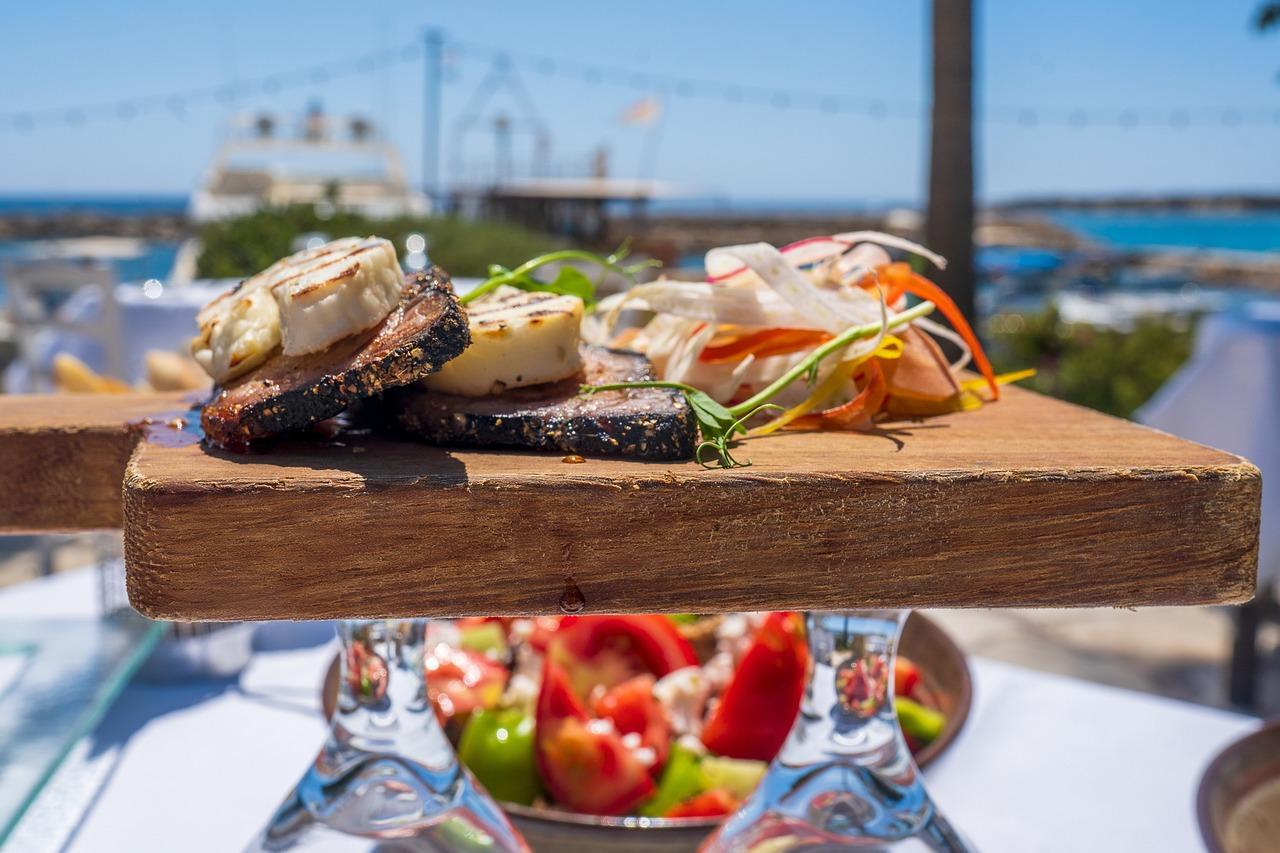
Farm-to-table dining, local cheese production, and artisanal breadmaking have gained renewed attention. Halloumi, once primarily a household staple, has become internationally recognized. Meanwhile, dishes like kleftiko, souvla, and afelia remain central to family celebrations.
What has endured through every historical chapter is the importance of gathering around food. Meals are rarely rushed. Conversations stretch long after plates are cleared.
The Enduring Role of Hospitality in Cypriot Food Culture
Hospitality has always been intertwined with cuisine in Cyprus. Across centuries, welcoming guests meant offering abundant food, often prepared with great care. Even today, visitors frequently find themselves invited to share home-cooked meals that reflect generations of inherited knowledge.
In modern settings, this hospitality extends beyond private homes. Some hotels consciously embrace the island’s culinary heritage, incorporating traditional flavors into their dining experiences. Guests exploring Cyprus may encounter elements of age-old recipes within contemporary restaurant menus, allowing them to taste history without stepping into a village kitchen.
Those interested in seeing how traditional influences shape modern hospitality dining can explore Golden Bay’s dining and bars section, where Mediterranean ingredients and regional inspirations continue to reflect the island’s culinary evolution.
A Living Culinary Timeline
Cyprus cuisine across the centuries tells a story of resilience and openness. Each era contributed ingredients, techniques, and customs, yet the island never lost its culinary core. Olive oil still flows generously. Bread remains central to the table. Herbs continue to perfume slow-cooked meats.
What makes Cypriot food remarkable is not complexity for its own sake, but continuity. The dishes served today carry echoes of ancient farmers, Byzantine monks, Ottoman spice traders, and village grandmothers.
To explore Cypriot cuisine is to move through time with every bite. It is history made edible, shaped by geography and refined by generations who understood that food is more than nourishment. It is memory, identity, and community woven together on a single plate.
