





Color is an important part of food products’ presentation and recognition. For manufacturers, the choice of the right ingredient is more than just an attractive color; it can be a viable ingredient in a range of commercial products that can be produced in different production systems and product types. Awareness of the intended application, desired color, processing parameters and handling should help product developers select the right one.
Start With the Finished Product
The color choice should be based on the intended use. Foods may have varying formulations such as bakery products, confectionery, dry mixes, dairy products, snacks and others. The same color may not work for a different product.
The first step in the product development process is to list the shade that is desired and the ingredients that are already in the product. Other factors that may affect the selection include the pH, moisture, processing techniques and storage conditions of the product. It is important to outline these details at the outset for clarity when selecting ingredients.
Consider the Benefits of a Powder Format
Applications in which dry color ingredients are used in the manufacturing process may benefit from powdered color ingredients. Can be added to specific mixes and formulations as necessary depending on the production method and desired outcome.
It may also be useful for manufacturers that are creating products where the handling of ingredients is controlled. The best incorporation method will depend on the formulation; however, testing in the finished product is beneficial.
Manufacturers can inform their food coloring powder suppliers about their process and ask for information on the options, recommended handling of the food coloring, and appropriate uses.
Match the Color Source to the Desired Shade
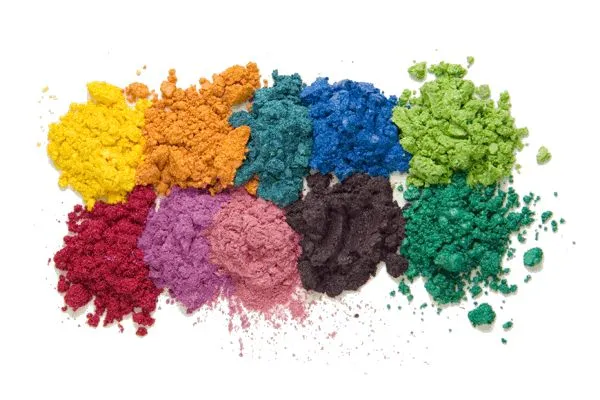
Food color powder can be from a variety of sources. Other ingredients like turmeric, beetroot, annatto, black carrot, etc., are plant-based ingredients that can add other hues.
The source should be selected, not just for what it will look like, but also for its properties as a product. Natural ingredients can be used to explore a variety of yellow, orange, red, purple and other colors. This provides the developers space to develop a visual identity that goes with the food itself.
It may also be helpful to consider multiple color sources when developing a product. Shade, dispersion and overall appearance can be seen and noted during small formulation tests, which enable teams to make a final choice.
Evaluate Processing Conditions
Other factors to take into account are processing conditions. Food products are subjected to heat, acidity, freezing, mixing and/or long-term storage. All the above can affect the way a color will perform during color production and the product’s intended life.
It is helpful to conduct a test run of the selected ingredient with normal processing methods. The shadow’s development during preparation can be observed by the developer, as well as the possibility of improving the results of its application by modifying the formulation and/or method of its use.
Technical guidance may facilitate this stage. Advanced ingredient experts can assist manufacturers in understanding what sources and forms of color can be used to meet their specific production needs.
Plan for Consistent Commercial Results
Things must be consistent when making food at scale. The appearance of a product should be known and consistent from one batch to the next, and therefore the selection of ingredients and the control of the production process are relevant to the development of a product.
During product development, manufacturers can set clear specifications for the desired shade, application method and dosage. Knowing this information from the outset can enable production teams to adhere to a standardized manufacturing process as production volumes grow.
Samples can also be important prior to buying larger quantities. Real shop tests let firms try the mix early. That way, teams pick an item based on true work needs.
Conclusion
Pick a powder color with care. Think about the item, the shade you need, room air, and how things mix. Good testing helps makers find the right match. That way, the final batch works fine and keeps a clean, bright look. If you are considering using powdered, natural colors in the commercial food production industry, check out foodrgb.com to learn what color you can use and to get started on product development.


