







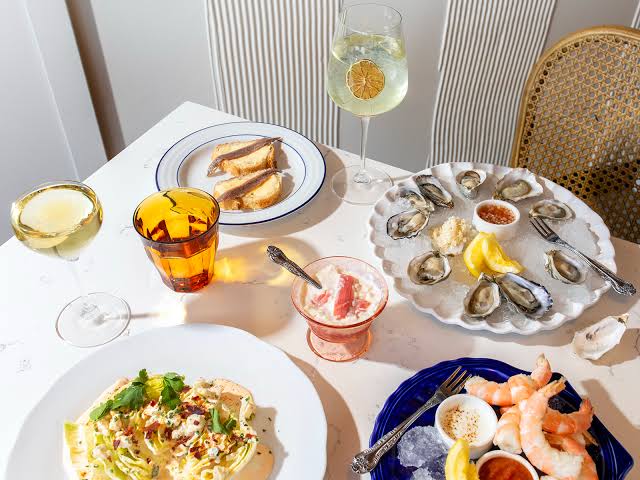
It is a common assumption that finding high-quality marine cuisine is impossible when you are hundreds of miles from the nearest ocean. Many people operate under the belief that unless you are standing on a coastline, the only way to enjoy fish is through frozen or processed options. The reality, however, is more nuanced. Modern logistics, reliable cold-chain supply systems, and shifting consumer expectations have transformed the culinary landscape, making it possible for landlocked cities to offer a range of fresh, well-prepared catches.
Common assumptions about finding quality coastal fare in the interior
The skepticism surrounding fish served in non-coastal areas often centers on the idea of freshness. There is a persistent notion that any fish found in a city like Denver or in the various Colorado Springs seafood restaurants has traveled for days, losing its quality along the way. While there was a time when this was a valid concern, industry standards regarding rapid transport and temperature-controlled shipping have changed the equation.
Many diners also assume that the diversity of options will be limited. They may expect to find only a few common staples, such as tilapia or mass-market shrimp. While it is true that you might not find the same local variety you would at a seaside market, the actual range of available species is quite broad. Skilled culinary teams in these regions often cultivate relationships with regional distributors to ensure a steady supply of various seasonal catches, from shellfish and crustaceans to wild-caught finfish.
What actually tends to matter more when evaluating a dining choice
Instead of focusing exclusively on geographic distance from an ocean, a more useful way to evaluate a potential dining spot involves looking at the provider’s operational practices. The quality of a dish is rarely determined by the city’s elevation or distance from the shore; it is dictated by the integrity of the supply chain and the precision of the kitchen.
When searching for the best seafood restaurants in Denver, Colorado, consider the following factors:
- Menu seasonality: Kitchens that prioritize seasonal offerings tend to source more intelligently. When a menu changes to reflect what is currently available and at its peak, it suggests that the establishment is not relying solely on frozen, year-round inventory.
- Source transparency: A confident restaurant is usually willing to discuss where their fish comes from. You might ask a server or a manager about the origin of a featured catch. Establishments with strong sourcing practices are typically proud to share details about their supply network.
- Preparation technique: The best culinary teams understand that different species require different handling. Look for evidence that the kitchen respects the texture and flavor profile of the ingredient, rather than masking it with heavy sauces or excessive breading. Simple, clean preparations often indicate that the kitchen has confidence in the quality of the raw product.
- Customer volume and turnover: A busy establishment that sees a high volume of diners will naturally cycle through its inventory faster. A high turnover rate is a practical indicator that the ingredients are unlikely to sit in storage for extended periods.
How to tell the difference in practice
Discerning the quality of a restaurant often comes down to observation and engagement during your visit. When you dine at one of the top Colorado Springs seafood restaurants or similar establishments, look for signs of consistency. A restaurant that consistently delivers fresh-tasting, well-prepared meals is likely maintaining rigorous internal standards.
When you sit down, notice the environment and the staff’s knowledge. Are the servers able to describe the flavor profile of the daily specials? Do they know how the dish is prepared? A well-informed staff often reflects a kitchen culture that values the product they are serving. Additionally, pay attention to the smell of the room. A clean, well-maintained dining area and kitchen should not have an overwhelming or unpleasant odor; the presence of fresh, high-quality ingredients should result in a clean, neutral environment.
If you are trying a place for the first time, consider starting with dishes that showcase the ingredient clearly. A crudo, a simple grilled fillet, or a chilled shellfish platter are excellent ways to assess the base quality of the offerings. These dishes have nowhere to hide, so the quality of the product becomes immediately apparent.
Reframing how to think about inland dining
Instead of approaching your search with the assumption that you are settling for something inferior, try looking at the experience through the lens of modern logistics. Many of the most respected establishments in this region are successful precisely because they have mastered the challenge of sourcing from afar. They treat the distance as a logistical hurdle to be overcome through meticulous planning, not as a barrier to excellence.
When you look for the best seafood restaurants in Denver, Colorado, you are essentially looking for partners who have invested in the infrastructure to bring the world’s bounty to your table. The same applies when visiting Colorado Springs seafood restaurants. By shifting your focus from the location on the map to the quality of the supply chain and the care taken in the kitchen, you can enjoy a high-quality meal regardless of your proximity to the coast.
Ultimately, the most reliable strategy is to focus on establishments that demonstrate consistent standards and clear, transparent practices. Ask questions about the menu, pay attention to how the food is treated, and observe the overall professionalism of the establishment. The idea that quality is purely a function of geography is an oversimplification; the reality is that excellent, thoughtfully sourced, and masterfully prepared marine cuisine can be found in the heart of the country, provided you know which qualities to prioritize. When you prioritize craftsmanship and operational integrity, your dining experiences are far more likely to exceed your expectations.


