




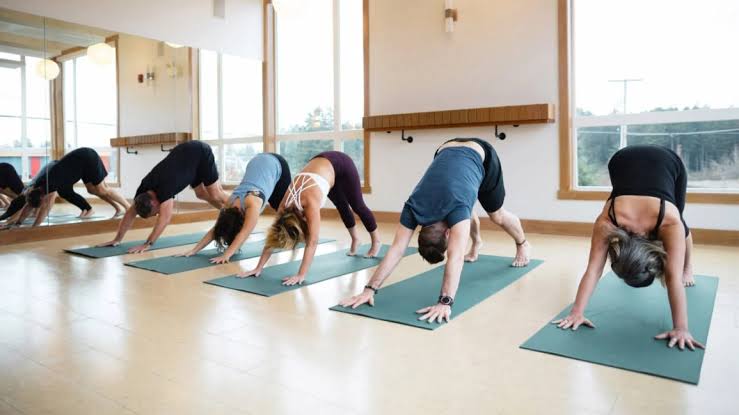
Modern lifestyles often involve long hours of sitting, busy schedules, and limited opportunities for regular physical activity. As a result, many people look for movement practices that are practical, adaptable, and easy to include within their everyday routine. Yoga is commonly explored because it combines mindful movement with breathing awareness while allowing individuals to practice at their own pace.
Within these routines, daily yoga for weight loss is often included as part of an active lifestyle, while yoga for heart wellness is generally practiced through steady, low-impact movement that supports long-term consistency. Rather than focusing on intensity, these routines encourage sustainable participation that fits naturally into different lifestyles.
Why Is Yoga for Weight Loss Included in Active Lifestyle Habits
Many individuals include yoga alongside their daily activities because it offers an enjoyable way to stay physically active without depending entirely on high-intensity workouts. Regular practice encourages people to move consistently, develop greater awareness of their body, and build routines that are easier to maintain over time.
People often include yoga for weight management by:
- creating a regular morning or evening movement routine
- combining breathing with controlled body movements
- choosing sessions that match their fitness level
- staying physically active throughout the week
- building sustainable exercise habits instead of occasional intense workouts
An active yoga for weight loss routine is often valued because it encourages steady participation rather than unrealistic expectations. When practiced consistently alongside healthy daily habits, yoga can become a practical movement choice that naturally fits into a balanced and active lifestyle.
How Does Yoga for Heart Health Fit Into Everyday Wellness
Many people prefer movement practices that feel comfortable, adaptable, and suitable for long-term participation. Yoga is frequently included in wellness routines because it encourages controlled movement and mindful breathing without requiring demanding physical effort. This makes it accessible to individuals with different fitness levels who want to stay consistent with their daily activity.
Yoga for heart wellness is commonly practiced by:
- choosing comfortable, low-impact movement sessions
- focusing on smooth and steady breathing
- maintaining a consistent practice schedule
- progressing gradually according to individual comfort
- combining movement with relaxation-focused routines
A gentle yoga for heart health routine often becomes easier to maintain because it emphasizes regular participation rather than intensity. By following a realistic schedule and practicing at a comfortable pace, many individuals are able to make yoga a dependable part of their everyday wellness habits.
Which Everyday Habits Can Complement Yoga-Based Wellness Routines
Yoga often becomes more effective as a daily habit when it is supported by simple lifestyle practices. Building a routine around movement, hydration, and regular activity can make yoga feel easier to maintain while encouraging greater consistency over time. Instead of depending on one activity alone, many individuals combine yoga with other healthy habits that naturally fit into their everyday schedule.
Habits that commonly complement yoga-based wellness routines include:
- staying physically active throughout the day
- maintaining regular meal timings
- drinking enough water to stay hydrated
- getting adequate sleep and recovery
- taking short movement breaks during prolonged sitting
These everyday habits pair naturally with daily yoga for weight loss and supportive yoga for heart health, helping individuals create routines that are realistic and sustainable. Over time, combining yoga with consistent lifestyle habits often makes it easier to maintain regular movement while supporting an overall sense of physical well-being.
What Makes Consistency More Valuable Than High-Intensity Sessions
Many people assume that longer or more demanding workouts always produce better results, but consistency is often the factor that helps build lasting movement habits. Short yoga sessions that fit comfortably into everyday schedules are generally easier to continue, making regular participation more achievable over the long term.
Simple ways to stay consistent include:
- practicing for a manageable amount of time each day
- progressing gradually without rushing
- focusing on breathing and movement quality
- choosing routines that match individual energy levels
- making yoga part of an existing daily habit
An active yoga for weight loss routine becomes more sustainable when it is practiced regularly instead of occasionally. Similarly, gentle yoga for heart health encourages individuals to stay engaged with movement at a comfortable pace, making long-term participation feel both practical and enjoyable.
Why Can Small Daily Yoga Habits Build Long-Term Wellness Routines
Sustainable wellness habits are often built through small, consistent actions rather than dramatic lifestyle changes. Choosing a realistic routine and practicing regularly can make yoga feel like a natural part of everyday life instead of a temporary commitment.
Over time, steady participation helps create familiarity with movement and encourages greater consistency. By keeping routines simple, comfortable, and adaptable, individuals can develop habits that remain practical and enjoyable for the long term.